23 Weeks of Photographing Things Nobody Photographs
For the past 23 Sundays, I gave myself one rule: pick something ordinary from around the house and spend time actually looking at it.
A fork. A bath rug. Toothpicks. A vacuum cleaner that had been sitting in the corner minding its own business for longer than I'd like to admit.
No studio. No special lighting. No gear beyond the phone already in my pocket. Just an object, some time, and a genuine attempt to see something I'd stopped seeing.
I didn't expect much from it at the start. It was supposed to be a small weekly ritual, something that got me away from screens on a Sunday without requiring any planning. But week by week, something started to shift. Not just in the photos, but in how I was thinking. About creativity, about attention, and eventually, about the work I do with teams.
This post is an attempt to share what that actually looked like and what I think it means for anyone trying to think more creatively, whether alone or with other people.
Why ordinary objects, and why a phone
There's a version of this project that uses a proper camera, rented studio space, and carefully chosen props. That version would have produced better photos and taught me almost nothing.
The phone matters because it removes the excuse. Everyone has one. You don't need to prepare, set up, or know anything technical. Whatever friction usually stands between you and making something — this eliminates most of it.
The ordinary objects matter for a related reason. When you choose something beautiful or unusual as your subject, the subject does half the work. A dramatic landscape, a photogenic meal, a striking face — these things photograph themselves. You're mostly just pointing.
But a fork? A vacuum cleaner? Those objects give you nothing. Which means everything in the frame has to come from you — from how you position yourself, how you use the light, how close you're willing to get. That's exactly the kind of constraint that teaches you something.
The first few weeks: feeling slightly ridiculous
I want to be honest about how this started, because the beginning wasn't elegant.
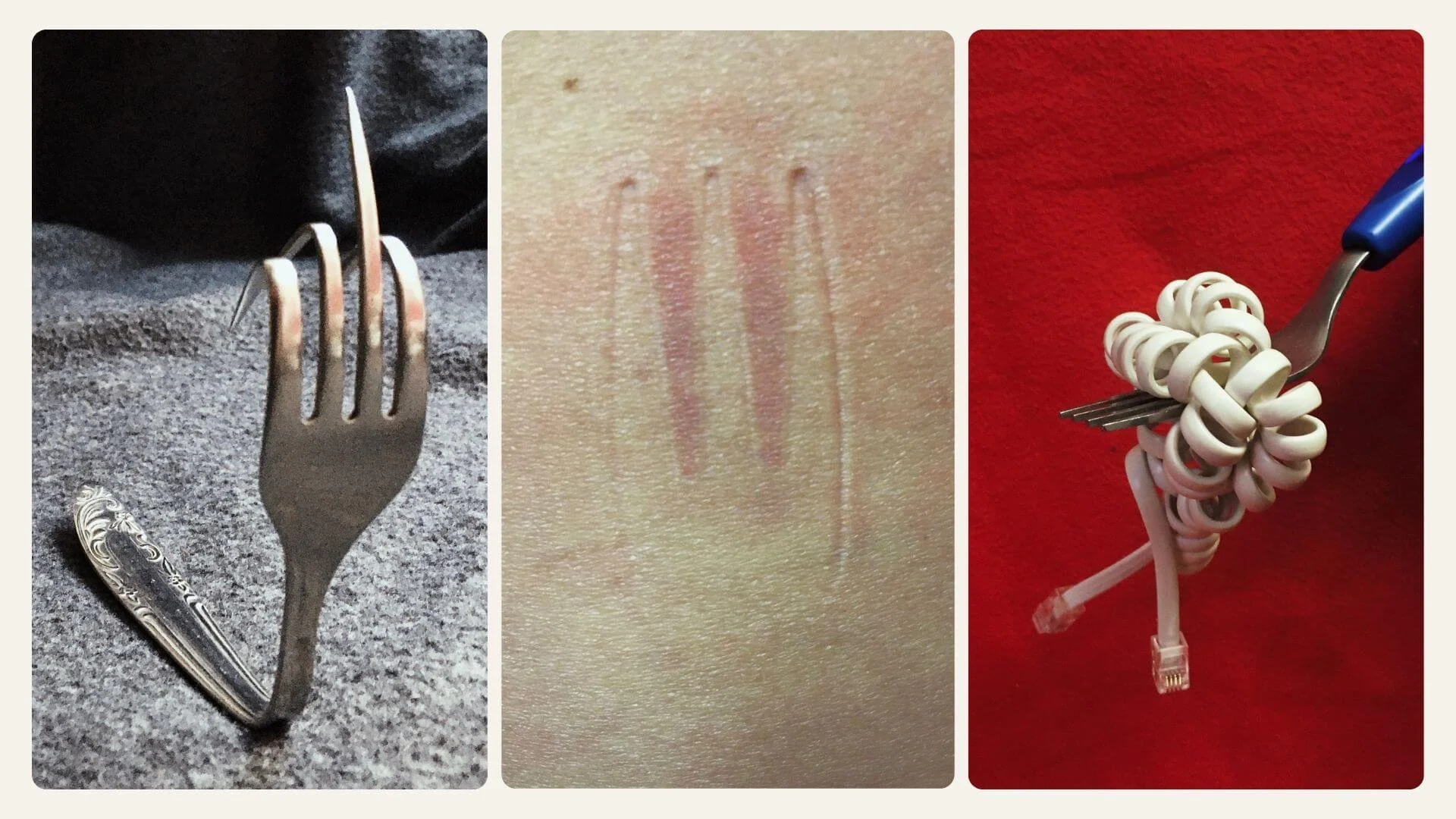
Week one was a fork. I put it on the kitchen table, took a few photos from above, and they were fine. Recognizable. Completely uninteresting.
I moved closer. Tried different angles. Tried the light from the window. Tried putting two forks together. Spent about forty minutes doing this and came away with maybe three images I actually liked — and even those I wasn't sure about.
The feeling was something between mild frustration and genuine curiosity. Which, I've come to think, is exactly where creative practice should start.
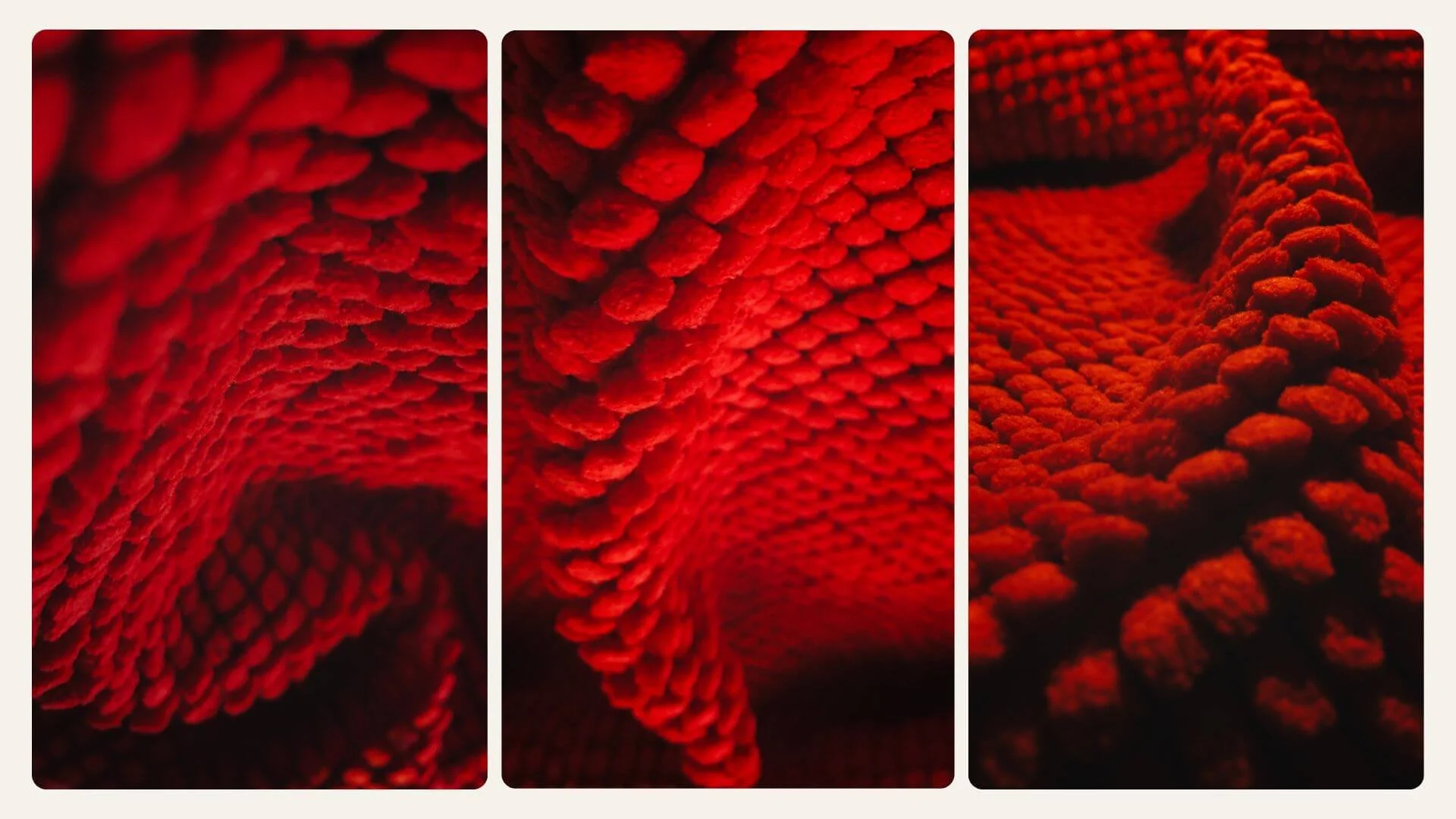
The rug came a few weeks later. I'd walked past it every day for years. Photographing it felt absurd. But when I got down close, really close, a few centimeters from the surface it stopped being a rug entirely. The texture became something else. Something that looked almost geological, like a satellite image of terrain. I genuinely didn't recognize what I was looking at when I reviewed the photo later.
That was the first moment I understood what this project was actually about.
What happens to your brain when you do this regularly
This is the part that surprised me most, and it's harder to explain than tips about composition or lighting.
Somewhere around week six or seven, I noticed I was looking at things differently when I wasn't photographing. Walking through the house, I'd catch myself noticing the way light was sitting on a surface, or the shadow a chair was casting, or the texture of something I'd owned for years without really registering.
It wasn't that I was suddenly seeing beauty everywhere in some romanticized way. It was more specific than that. I was noticing detail. I was looking twice instead of once. And that (looking twice) turns out to be more significant than it sounds.
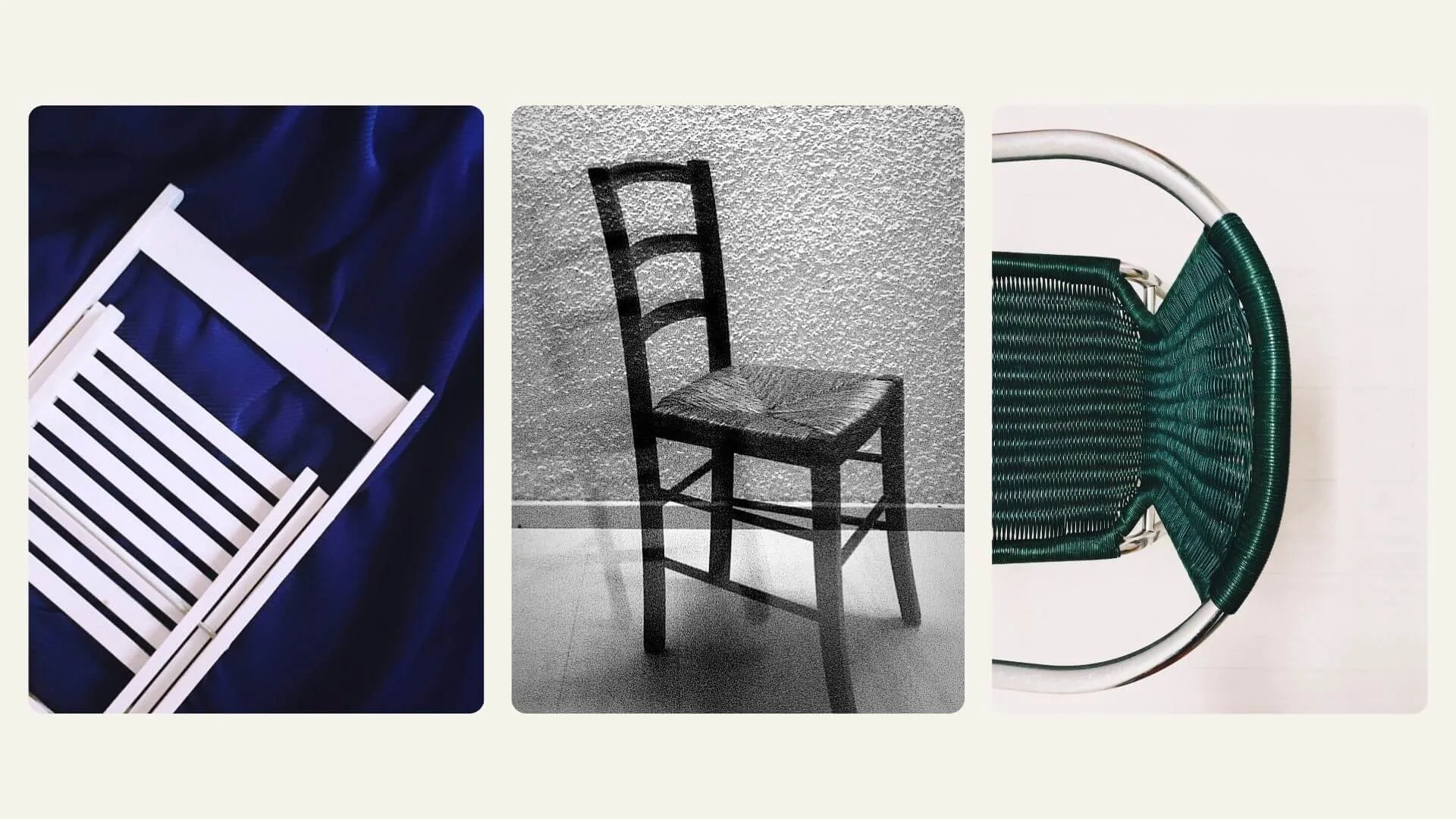
Most of us move through familiar environments on a kind of autopilot. The brain is efficient: it recognizes something, categorizes it, moves on. A rug is a rug. A pen is a pen. You stopped actually seeing them years ago.
What the weekly practice did was disrupt that autopilot, repeatedly and gently. It trained a small but consistent habit of actually looking — of resisting the first categorization and staying with something a little longer.
And here's the thing: that habit doesn't stay contained to photography. It starts showing up elsewhere. In how you approach problems. In whether you notice assumptions you'd otherwise just accept. In how quickly you give up on an idea versus how long you're willing to stay with it and see what it becomes.
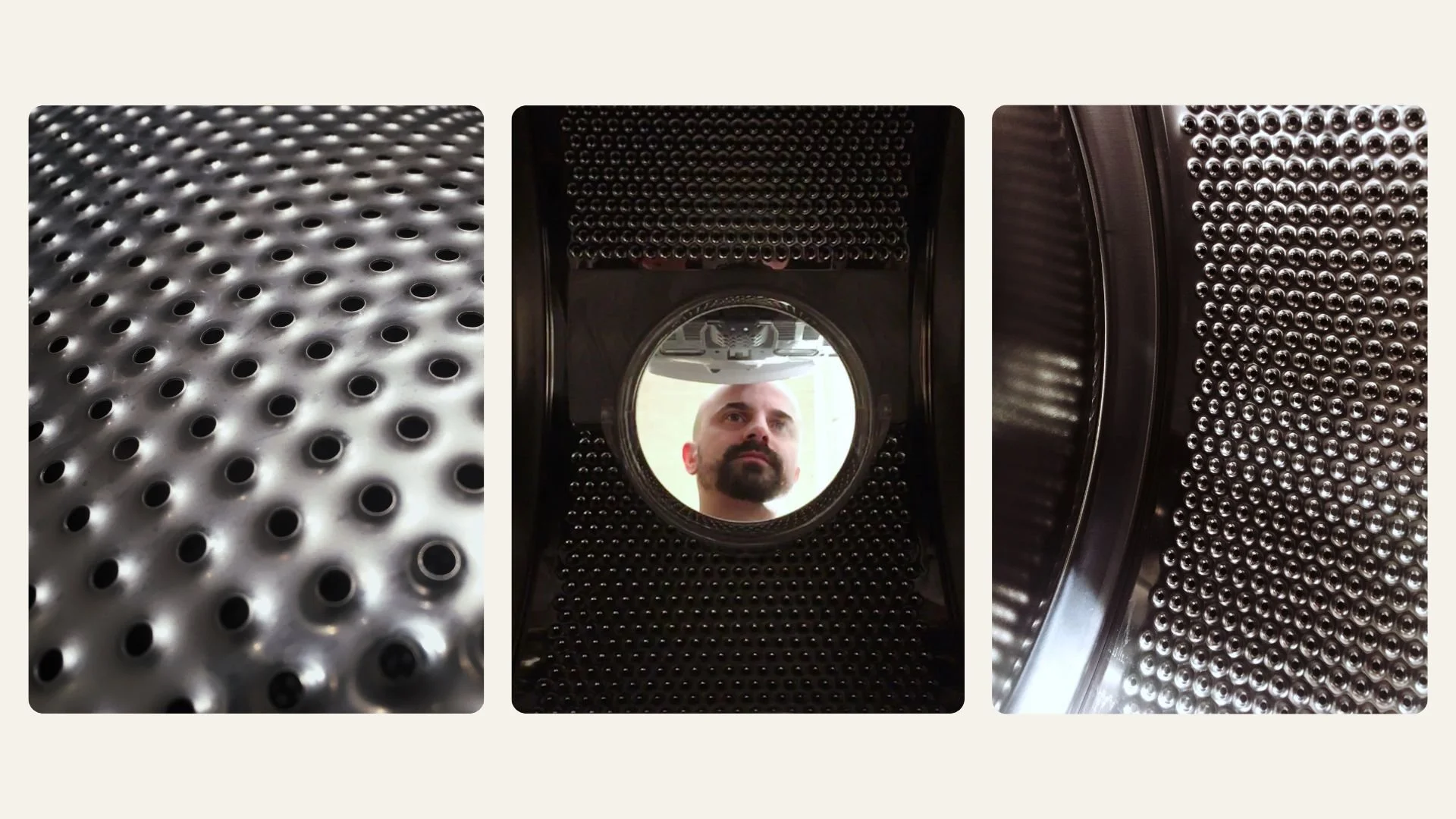
The creative/psychological shift, in plain terms
If I had to name what changed most clearly over 23 weeks, it would be this: I became more comfortable not knowing what I was making.
At the start, I'd approach each session with some mental image of what the photo should look like. That image was almost always wrong, and chasing it was almost always a waste of time.
By the middle of the project, I'd learned to start without one. To pick up the object, start moving around it, and follow whatever was actually interesting rather than whatever I'd planned to find.
That sounds simple. It's not, if you're someone who usually works with goals and outputs and measurable results — which most of us are, most of the time. Learning to stay in the exploratory phase without rushing toward an answer is a genuine skill, and it's one that almost nobody practices deliberately.
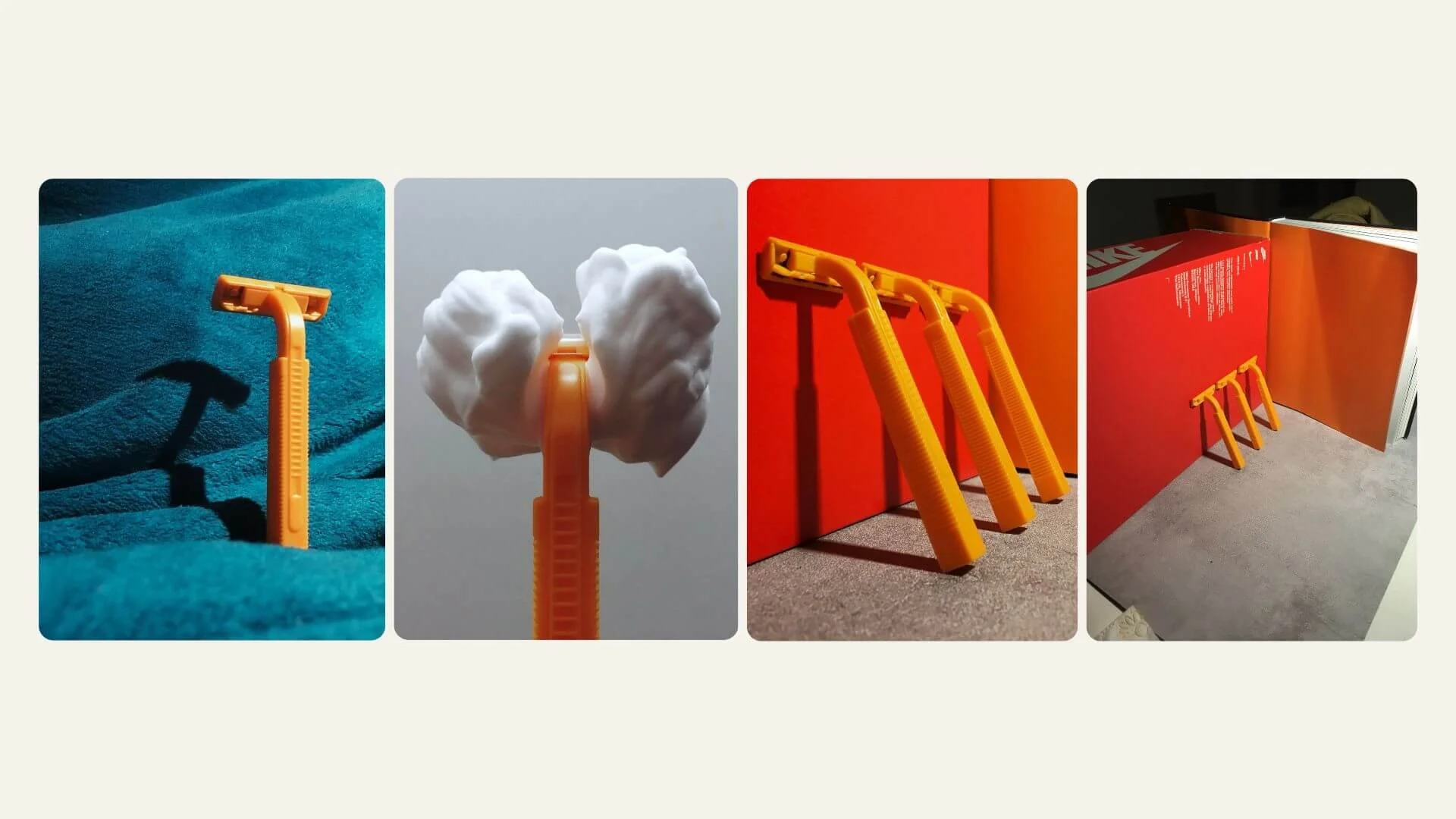
The objects forced me to practice it. There's no "right" photo of a plastic razor. There's no benchmark to hit. You're just looking, and adjusting, and looking again.
What this has to do with how teams work
I run online phone photography workshops for teams, and I've been bringing similar exercises into those sessions for a while now. The results are consistently interesting, and I think I understand why.
Most team activities (even the ones labelled "creative") have a correct answer somewhere in the background. A problem to solve, a direction to align on, a deliverable to produce. Even brainstorming sessions usually have an implicit goal shaping what counts as a good idea.
The smartphone photography exercises don't work that way. There's no right answer, no deliverable, no way to do it wrong. Which creates something that's genuinely rare in a professional context: a space where people can experiment without the usual stakes.
What tends to happen in those sessions is that people surprise themselves. Someone who'd describe themselves as "not creative" finds an angle on an ordinary object that nobody else found. A quiet person in the group suddenly has a strong opinion about composition. The usual dynamic shifts a little, because the usual measures of professional competence don't apply.
That shift (even a temporary one) does something useful. It reminds people that creativity isn't a fixed trait some people have and others don't. It's a response to conditions. Give people the right conditions, like, permission to experiment, a concrete constraint, something tangible to work with — and most of them will surprise you.
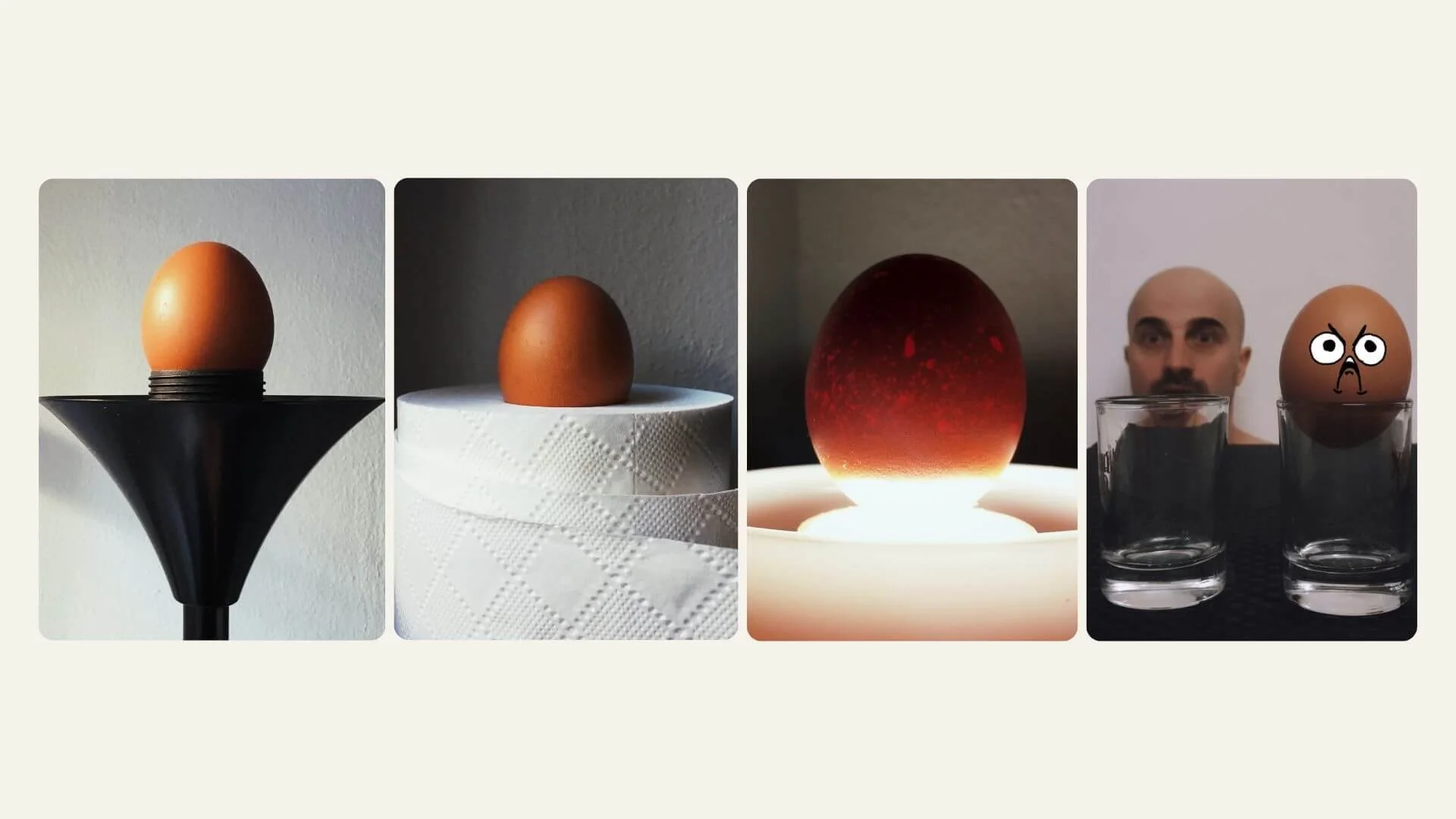
Practical tips if you want to try this yourself
You don't need to commit to 23 weeks. Start with one Sunday, one object, ten minutes.
A few things that will make it more useful:
Get closer than feels normal.
This is the single most reliable way to make an ordinary object interesting. When you're close enough that you can't see the whole thing, the brain stops categorizing it and starts actually looking. That's when the textures, shadows, and shapes become the subject instead of the object itself.
Change your relationship to the light before you change anything else.
You don't need special lighting — you need to notice the light you already have. Move the object toward a window. Turn off an overhead light that's flattening everything. Get the light coming from the side rather than straight on. Five minutes experimenting with this will teach you more than reading about it.
Try building or arranging, not just photographing.
Some of the most interesting sessions came from treating the objects as raw material rather than subjects. Stack things. Lean things against each other. Create a small arrangement and then photograph that. The question shifts from "how do I photograph this fork?" to "what can I make with this fork?" — and that's a much more generative question.
Don't review as you go.
It's tempting to check each photo immediately. Resist it. It interrupts the exploratory headspace and pulls you into evaluation mode too early. Shoot for ten or fifteen minutes, then look at everything together.
Pick something you find boring.
Deliberately. The interesting objects (the ones you'd naturally want to photograph) are a shortcut that defeats the purpose. The boring object is where the practice actually is.
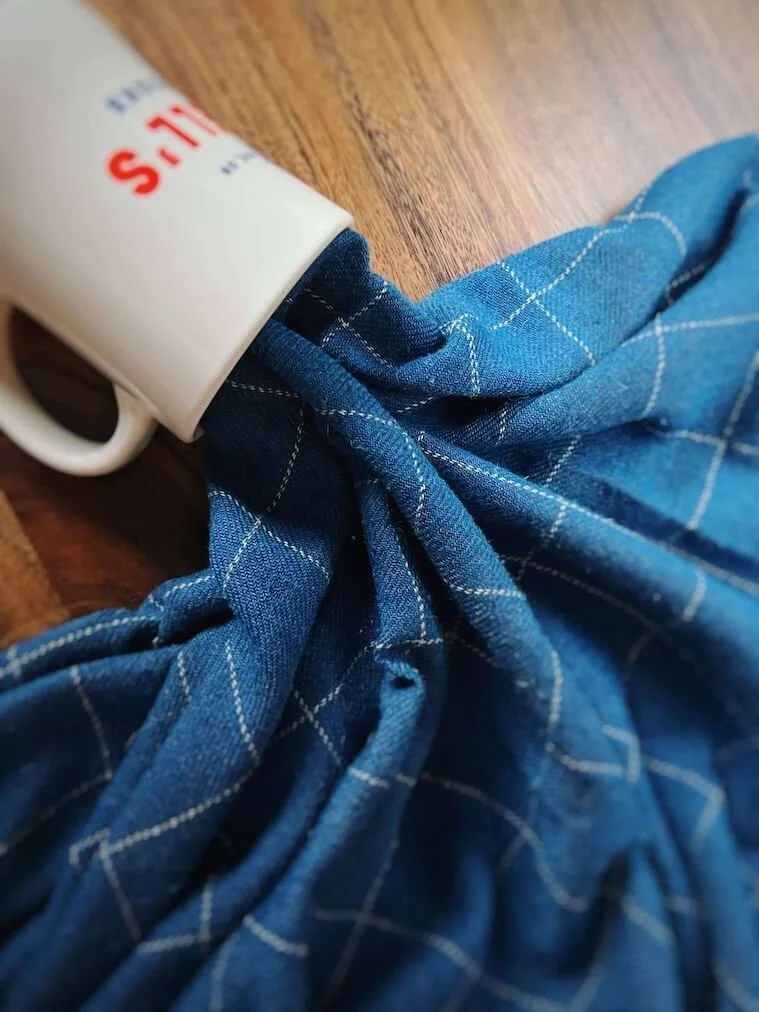
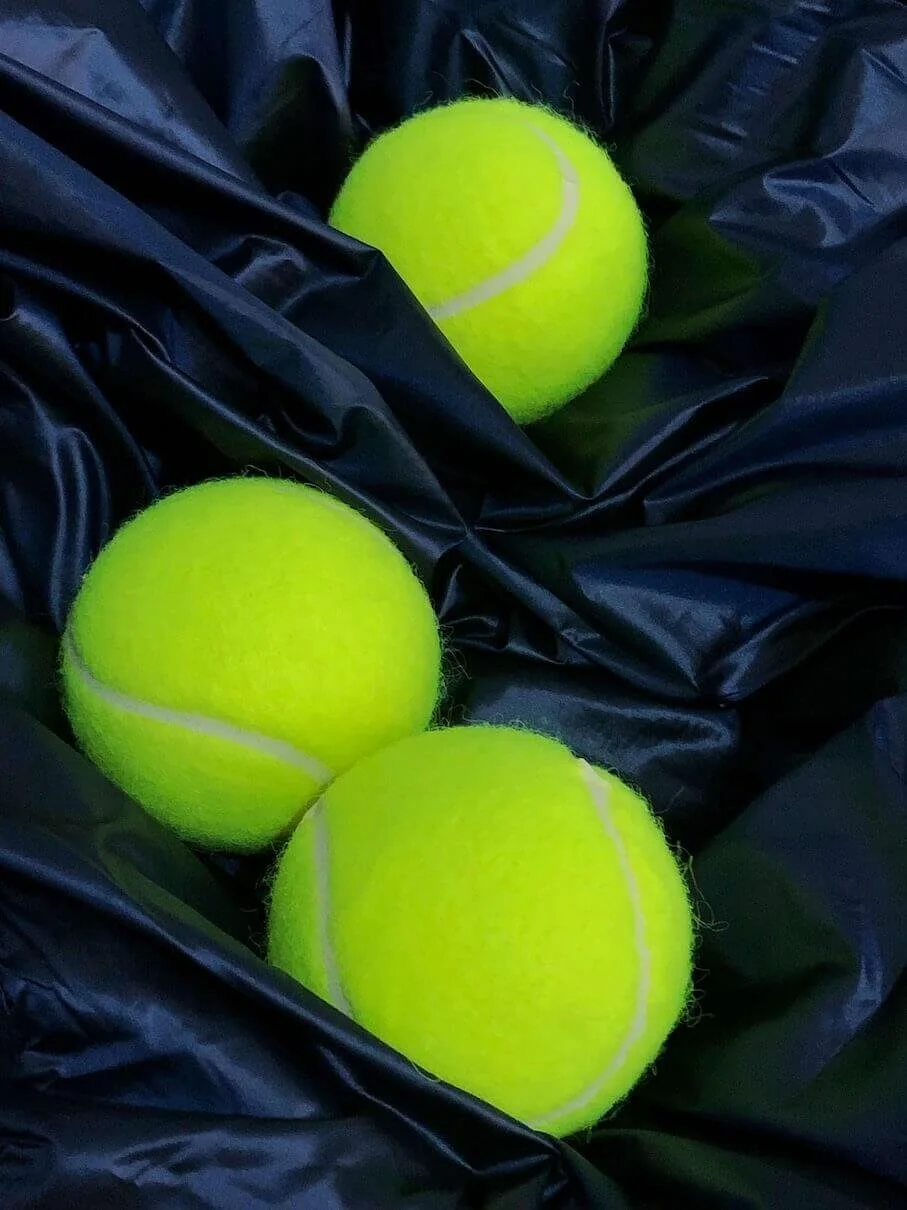
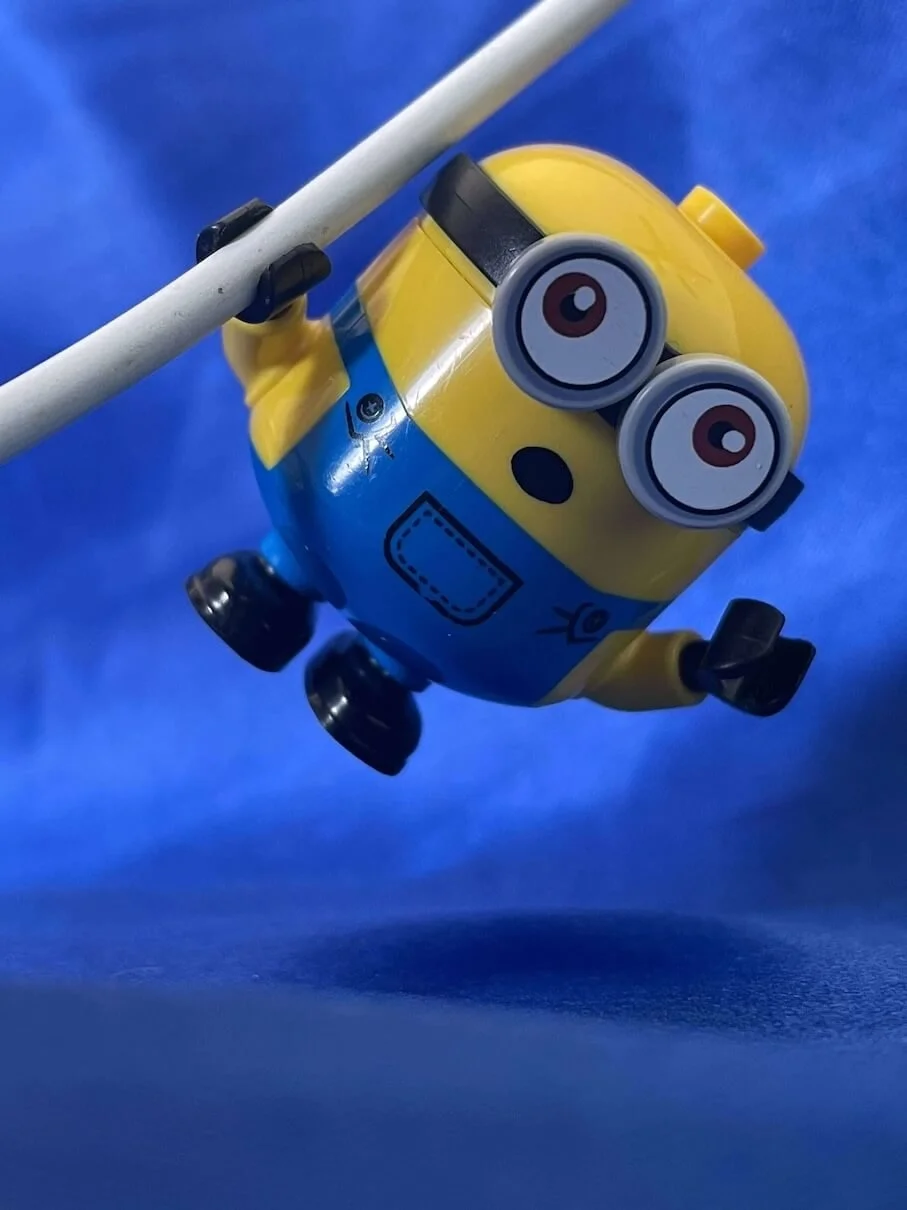



If this sounds like something your team needs
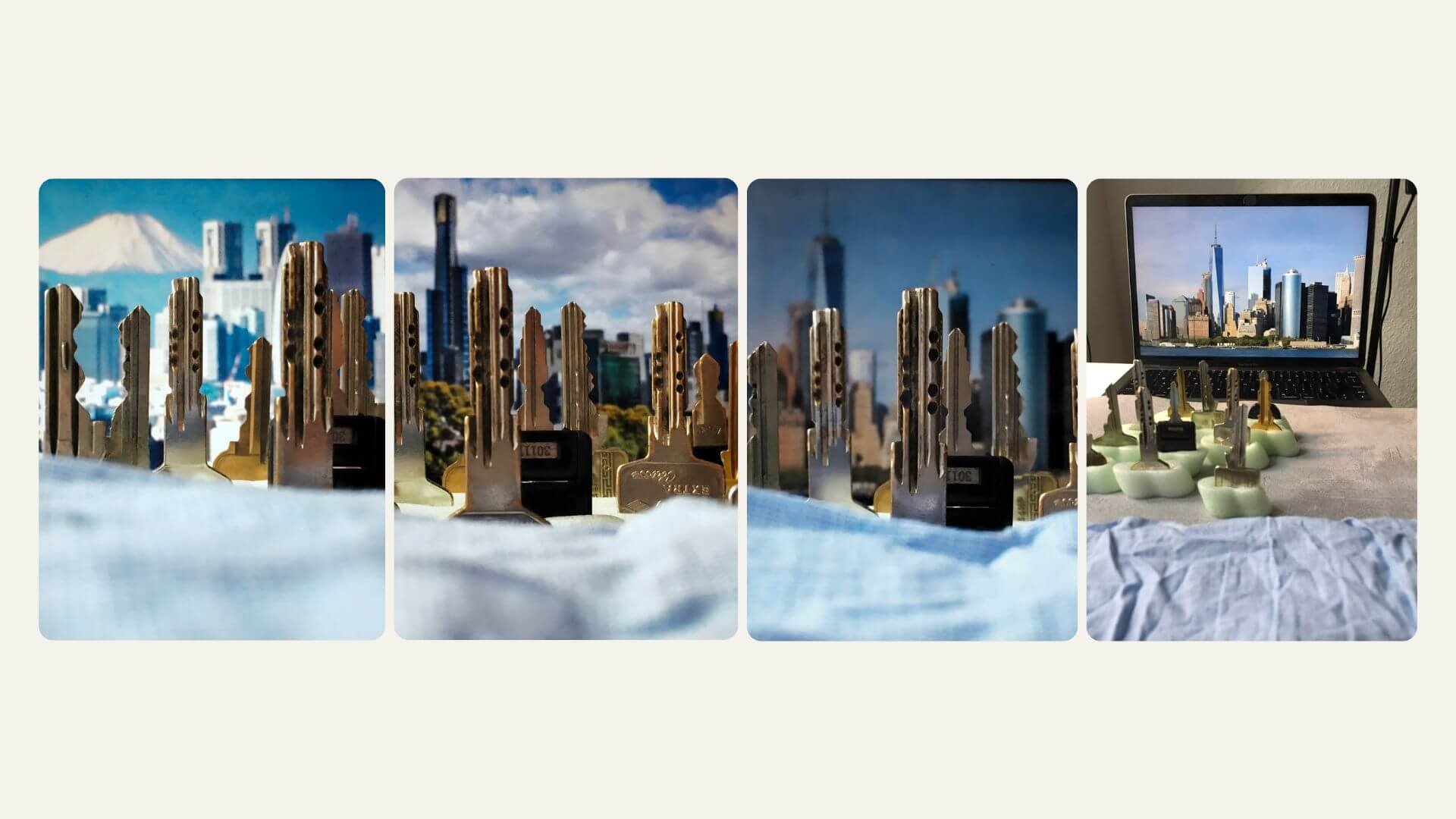
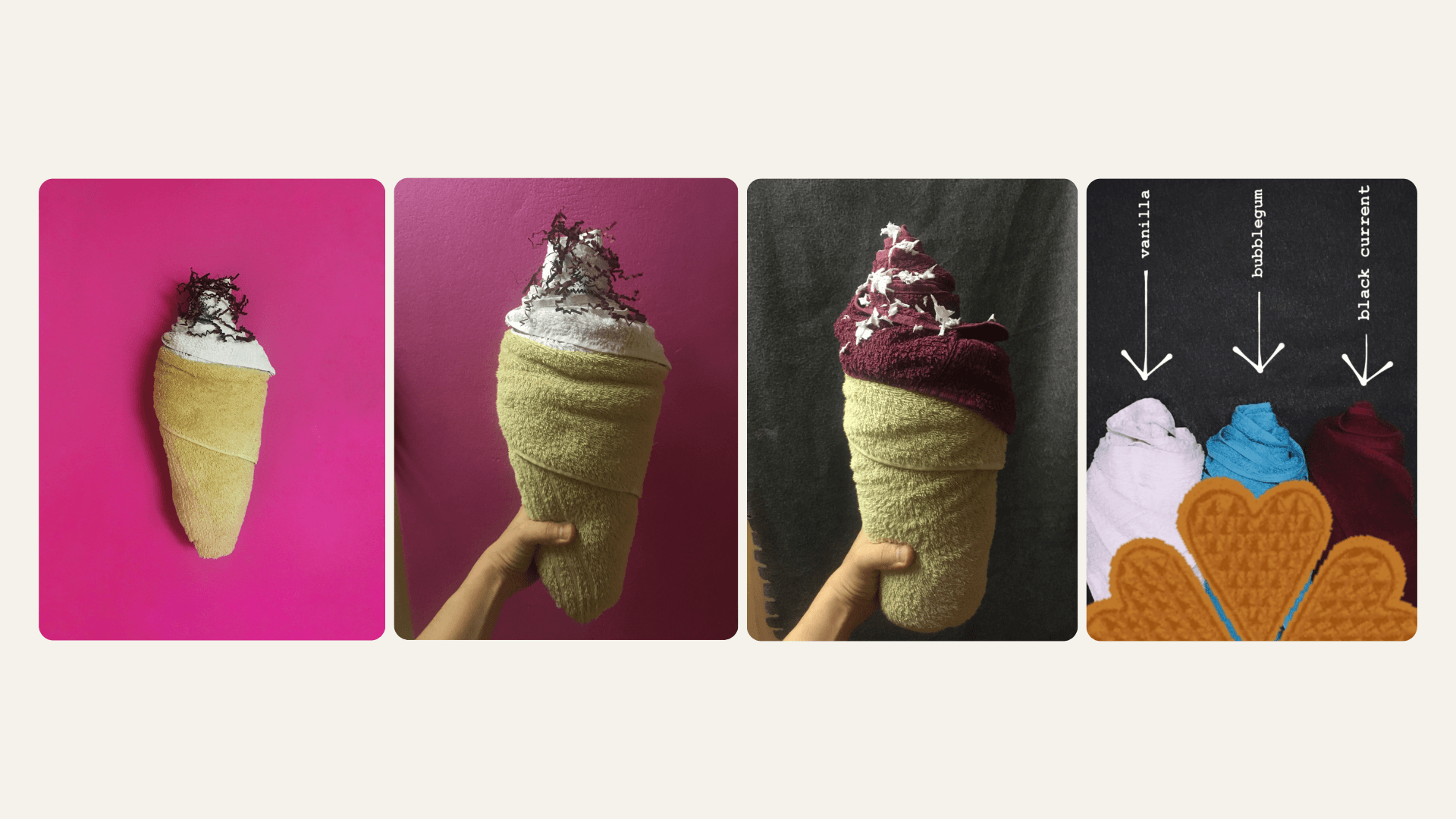
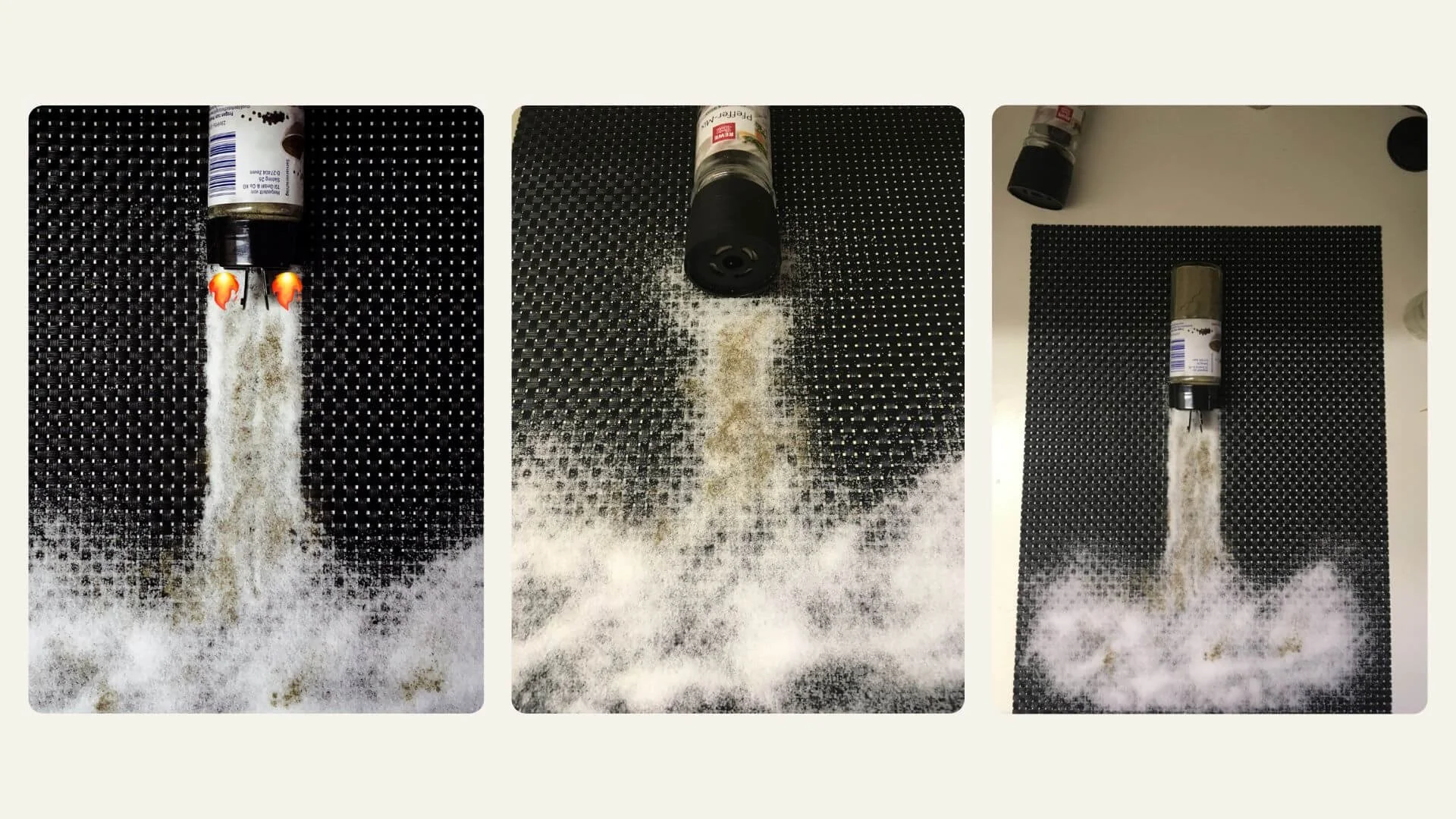
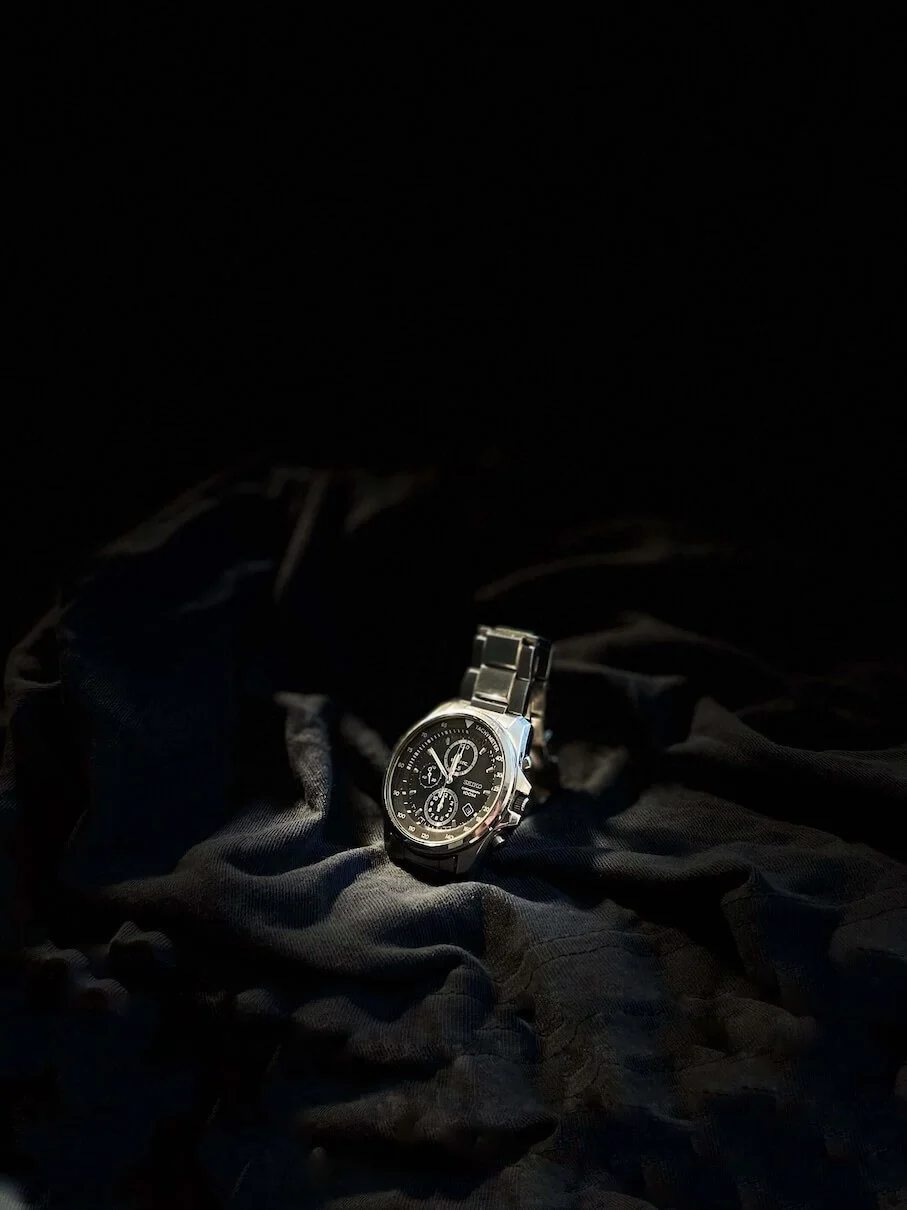
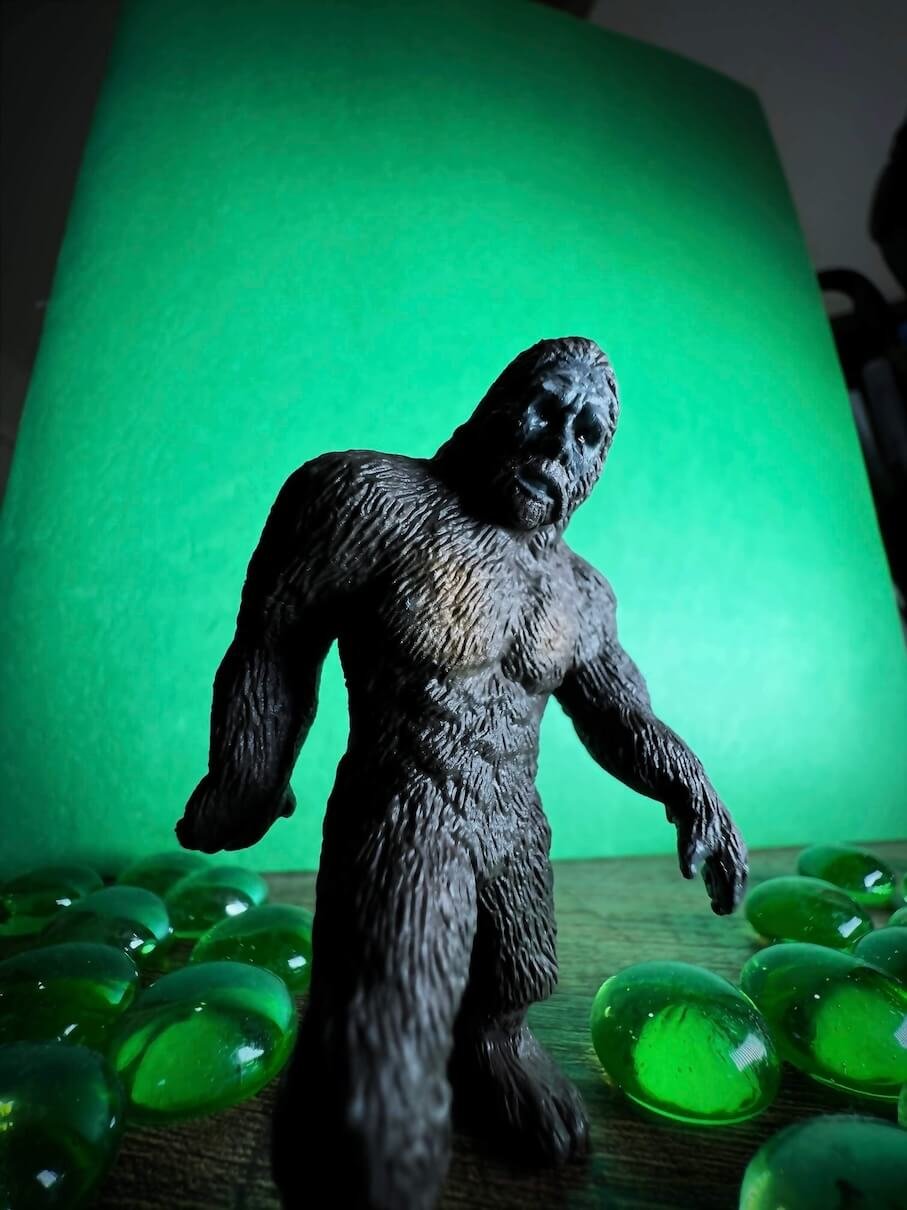
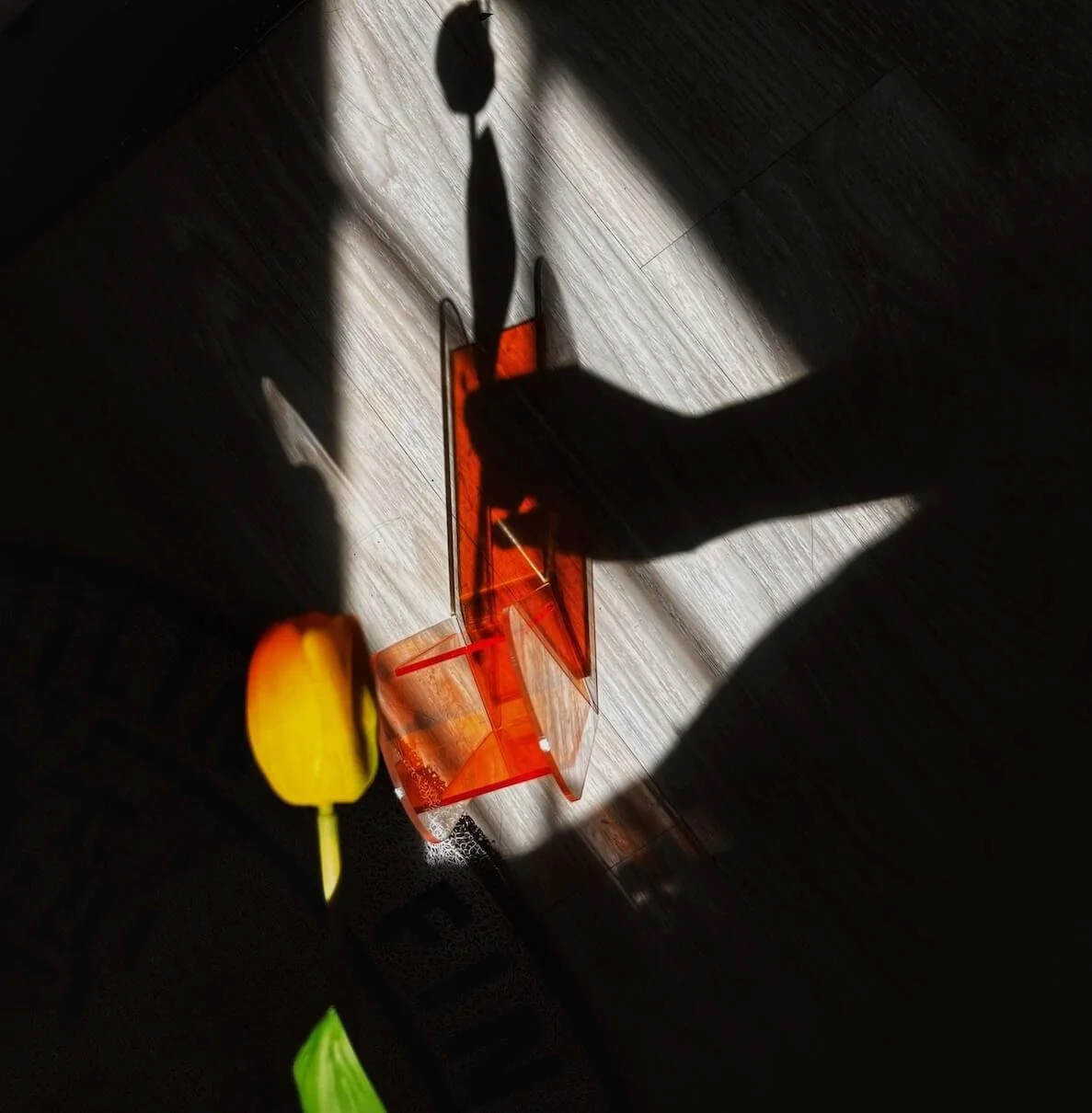
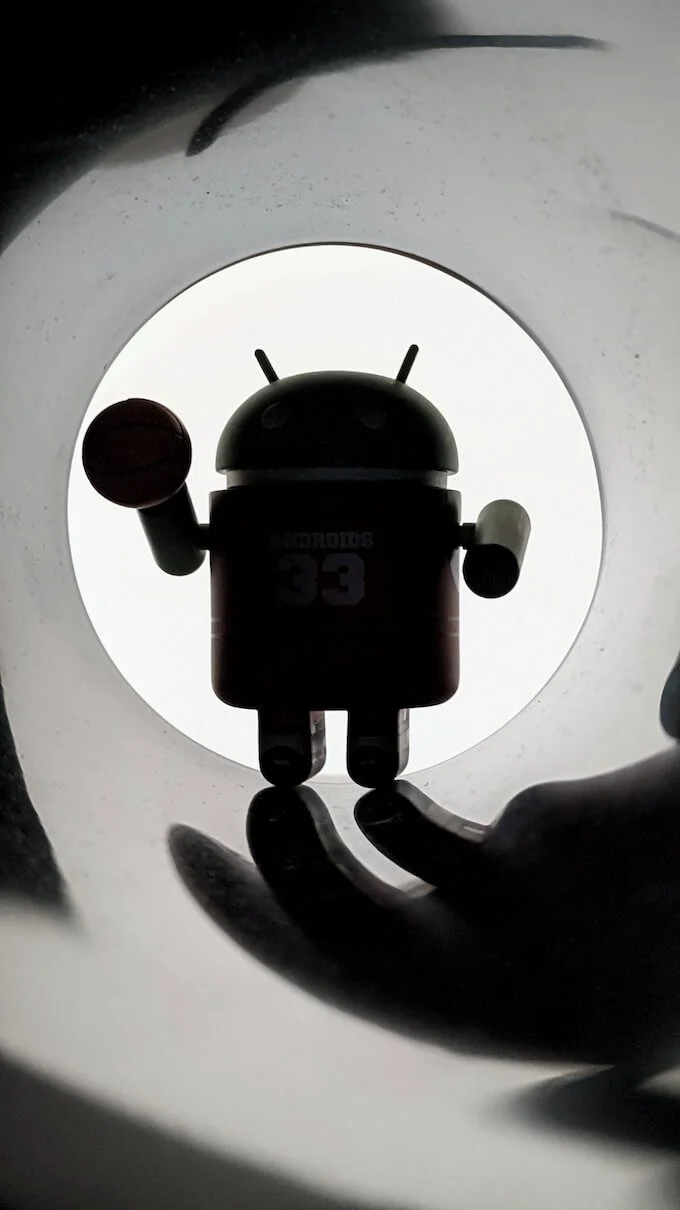
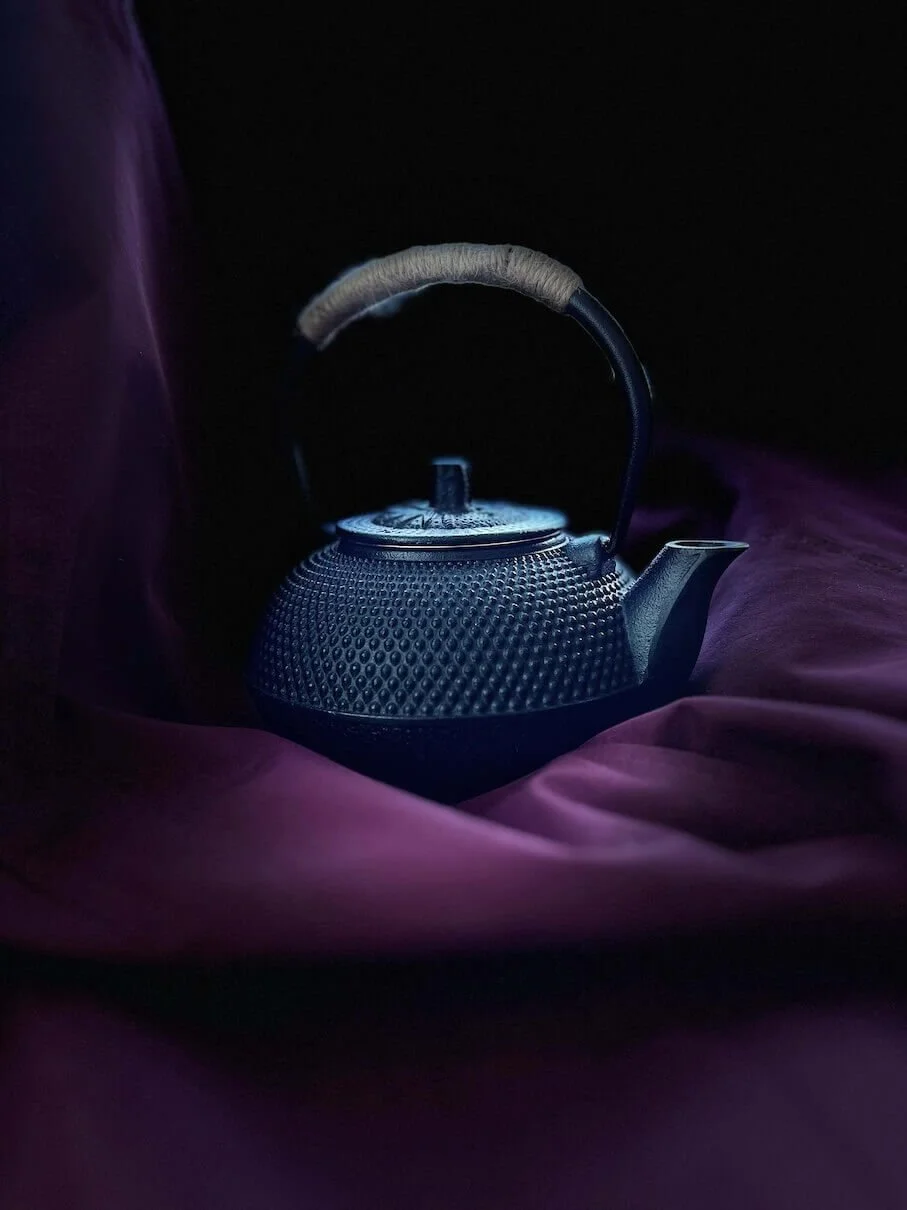
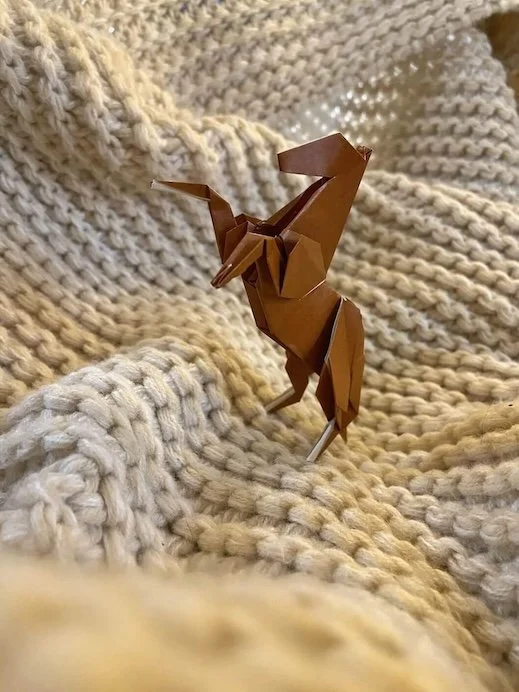
The workshops I run are built on this same foundation: smartphones, ordinary objects, simple constraints, and enough room to actually play. The images above are what participants put together during our typical 60-minute sessions. Honestly, they never stop surprising me (and I'm the one running it 🥹).
These online team events work well as a standalone session, something genuinely different from the usual team activity, and also as a way to open up a longer day or offsite with something hands-on and low-stakes. People tend to leave with more energy than they arrived with, which isn't something you can say about most workshop formats.
If you're curious about what that could look like for your team, you can find more here.
One last thing
After 23 weeks of this, I'm convinced that most people aren't uncreative — they're just out of practice at paying attention.
The objects were never really the point. They were just an excuse to slow down, look properly, and stay with something long enough for it to become interesting.
That's a habit worth building. And it turns out a Sunday morning and a fork is enough to start.