Why Smartphone Photography Works So Well for Remote Teams
Remote teams need more than another video call. They need experiences that create real interaction, help people feel connected, and give everyone an easy way to participate. Smartphone photography is one of the simplest and most effective ways to do that.

Remote team events need more than passive participation
A lot of virtual team events fail because they are too passive. People join, listen, and maybe smile a little, but they do not really do anything together.
That can make the session feel forgettable. It can also leave quieter team members even more disconnected, since there is no easy way for them to contribute.
For remote teams, the best activities are the ones that are interactive, low-pressure, and genuinely engaging. That is exactly where smartphone photography stands out.
Why smartphone photography is such a strong fit
The biggest advantage is simple: almost everyone already has a smartphone. There is no special equipment to buy, no technical setup, and no learning curve that excludes people at the start.
That makes it accessible for teams of all sizes and skill levels. Someone who has never taken a photography class can still join and enjoy the process right away.
It is also flexible. The same format can work for onboarding, virtual socials, offsites, cross-functional team sessions, or end-of-quarter celebrations.
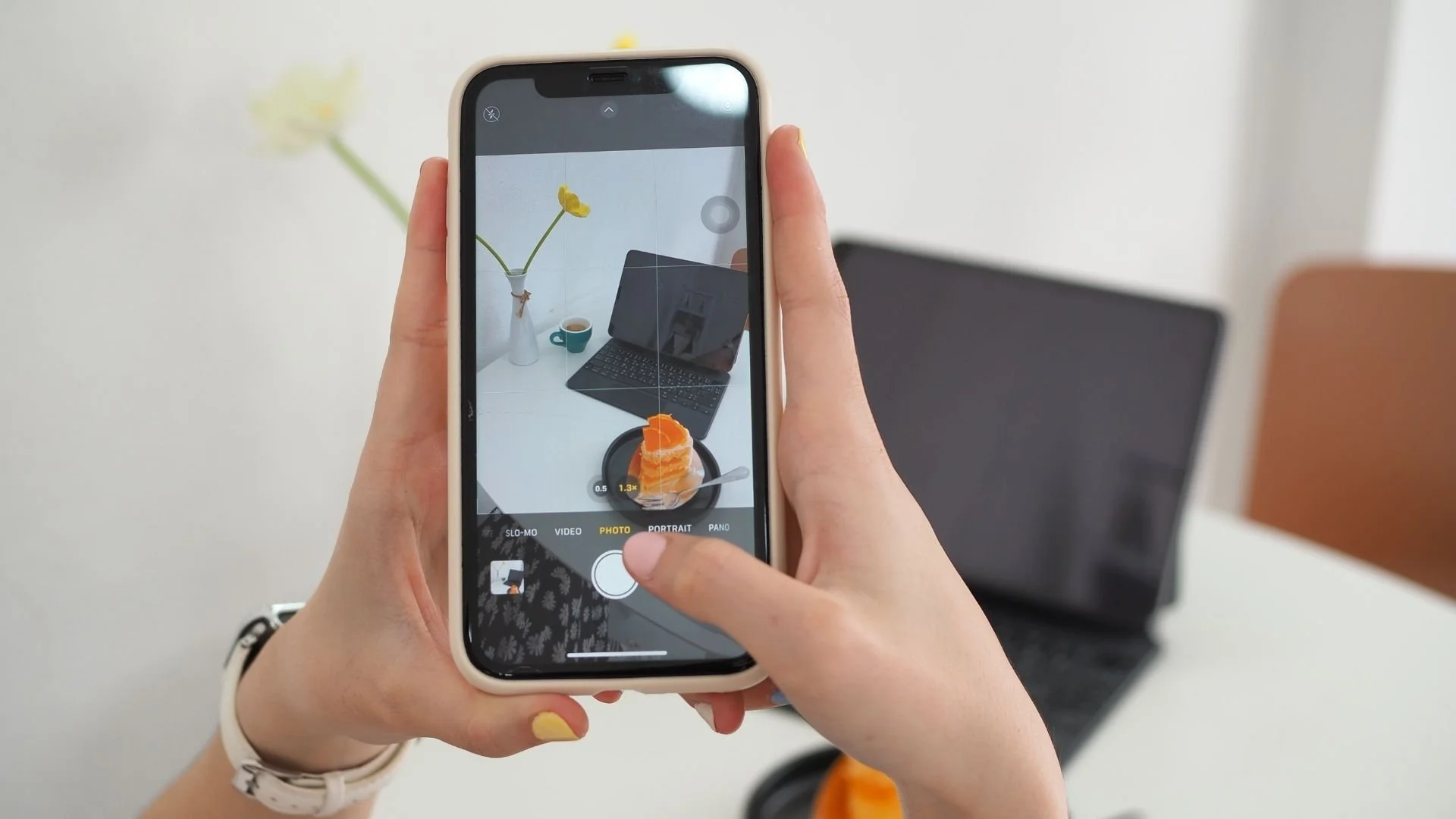
It creates active participation
Smartphone photography works because it gives people something concrete to do. Instead of just listening to a facilitator, participants create something in real time.
That changes the energy of the session. People are no longer passive attendees — they become creators.
Even a simple prompt, like “photograph something that represents your day,” can lead to interesting, funny, and surprisingly personal results. Those moments naturally spark conversation and connection.
It lowers the pressure
One reason many team-building activities fall flat is that they feel awkward or overly performance-based. Smartphone photography avoids that problem because the task feels playful instead of intimidating.
People do not need to be “good at art” to take part. They only need to notice their surroundings and respond to a prompt.
That makes the format especially useful for mixed teams. Introverts, extroverts, and people with very different comfort levels can all contribute in ways that feel natural.
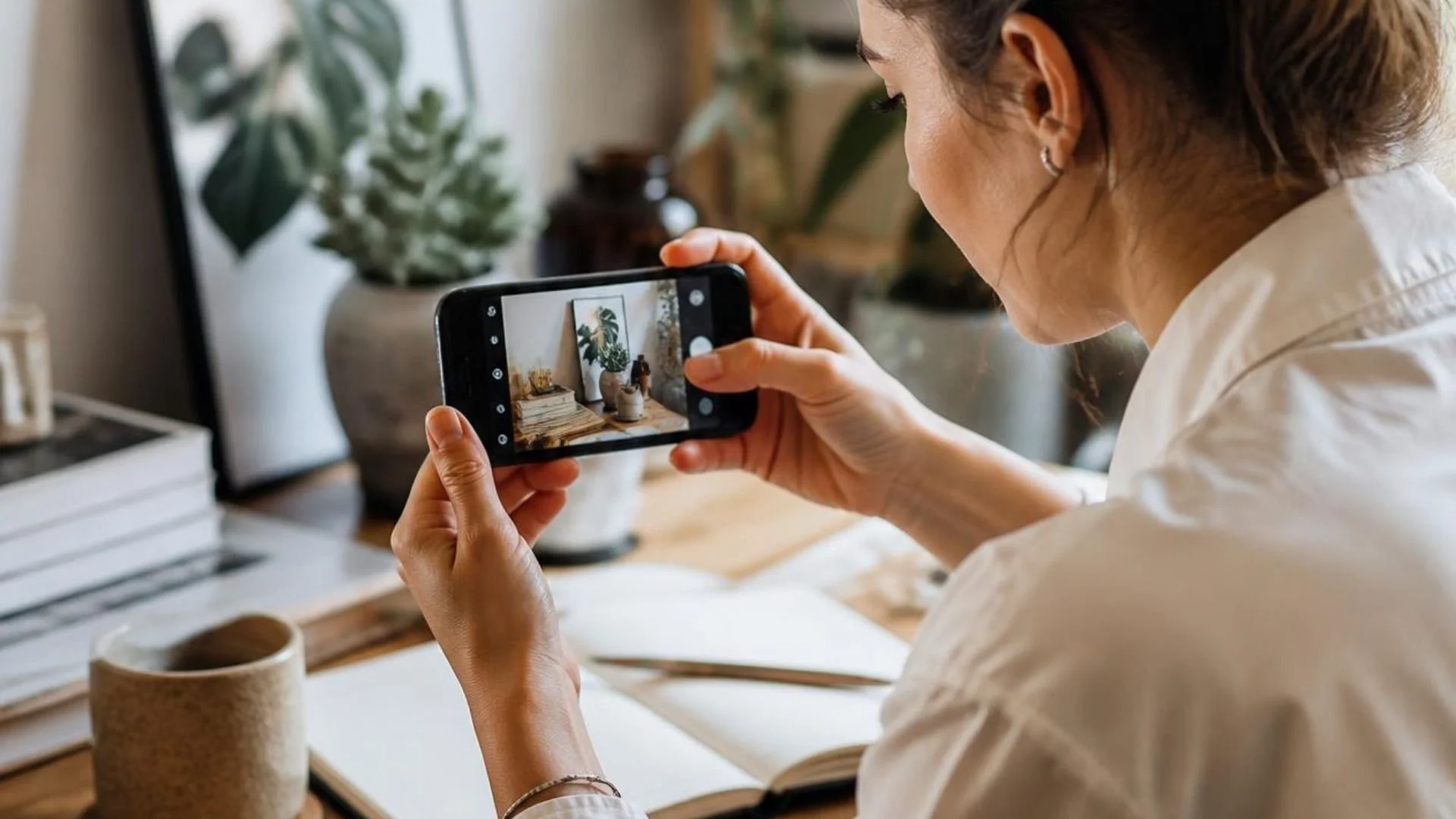
It works well in remote settings
Remote team activities need to be easy to join from anywhere. Smartphone photography fits that requirement perfectly.
Participants can take part from home, from a coworking space, or even while traveling. The workshop does not depend on a perfect setup or a shared physical location.
That makes it especially useful for distributed companies with teams spread across countries and time zones. The experience still feels shared, even when people are not in the same room.
It supports stronger team connection
A good team activity should do more than fill time. It should help people see each other differently.
Smartphone photography does that by giving participants a way to express something visual and personal. The results often reveal small details about each person’s environment, habits, or perspective.
That creates more human connection. It also helps teams move beyond work-only conversation and into something more memorable and relaxed.
What a workshop typically looks like
A smartphone photography workshop for remote teams usually follows a simple format:
🤳 A short introduction to the theme.
🤳 A few easy creative prompts.
🤳 A live photo challenge.
🤳 Time for sharing and reacting to the images.
🤳 Optional guidance, feedback, or discussion.
This structure keeps the session moving while still leaving space for interaction. It works well because it is easy to understand and easy to join.
Common workshop use cases
Smartphone photography is especially effective for:
🤳 Remote team-building sessions.
🤳 Virtual socials.
🤳 Onboarding events.
🤳 Hybrid team meetings.
🤳 Offsites and company retreats.
🤳 End-of-year celebrations.
🤳 Cross-functional collaboration sessions.
It is a good fit whenever you want something creative, inclusive, and not overly complicated. It also works well when you want an experience that people will actually remember afterward.
Example: a simple team photo prompt
Here is one example of how it can work in practice.
A remote team is asked to photograph something that represents focus. One person shares a clean desk setup, another shows a coffee cup next to a laptop, and someone else posts a close-up of sunlight on the wall near their workspace.
Within a few minutes, the team has learned something about each other’s routines and environments. The activity feels light, but the connection is real.
That is the strength of smartphone photography: it makes participation easy while still creating meaningful interaction.

Why it is better than a passive webinar
Many online events rely too much on presentation and discussion. Smartphone photography changes that by making the participants part of the experience.
Instead of sitting back, people create, react, and share. That active format usually leads to more energy and better engagement.
For companies that want something more memorable than a standard webinar, that is a major advantage. It feels useful, creative, and human at the same time.
Final thoughts
Smartphone photography works so well for remote teams because it is simple, inclusive, and interactive. It gives people an easy way to participate, helps teams connect through creativity, and works naturally in online settings.
If you are looking for a team activity that is fun without being superficial, this is a format worth exploring.